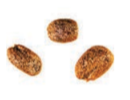
Weed seed in seed lots has been a problem since the early 1900s. To reduce the spread of weeds through contaminated seed lots, noxious weed laws were put in place to regulate the cleanliness of seed lots in commerce.
Indiana enacted its first seed law in 1921. The purpose, then and now, is to protect consumer’s purchases of agricultural and vegetable seeds by assuring truth-in-labeling. The seed section of the Office of Indiana State Chemist & Seed Commissioner (OISC) is responsible for administering and enforcing the Indiana Seed Law, IC 15-15-1, through product inspection, sampling and testing.
OISC is a member of the Association of American Seed Control Officials (AASCO) and the Association of Official Seed Analysts (AOSA), working to promote uniformity in state and federal seed legislation.
There are two kinds of “noxious” weeds – Prohibited and Restricted. Prohibited noxious weed seeds cannot be sold or distributed in any seed in Indiana. Restricted noxious seed can be in the seed up to 0.25% by weight. Restricted noxious weed seeds are considered very objectionable in fields, lawns, and gardens but can be controlled by good cultural practices.
Prohibited Seeds
Field Bindweed
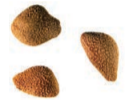
Wild Garlic
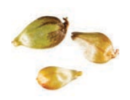
Johnsongrass
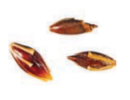
Wild Onion
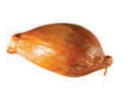
Quackgrass
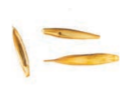
Perennial Sowthistle
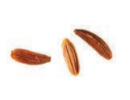
Canada Thistle
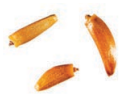
Restricted Seeds
Palmer Amaranth, Waterhemp, Pigweed
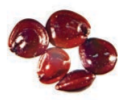
Cocklebur
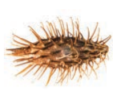
Corncockle
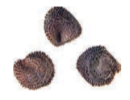
Ox-eye Daisy
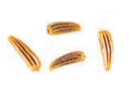
Curly Dock
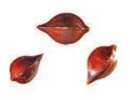
Dodder
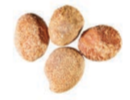
Giant Foxtail
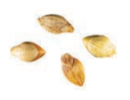
Carolina Horsenettle
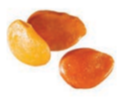
Wild Mustard
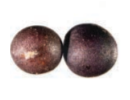
Eastern Black Nightshade
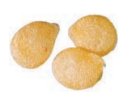
Field Pennycress
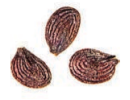
Field Peppergrass
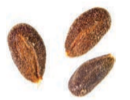
Buckhorn Plantain
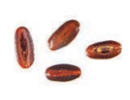
Bitter Wintercress